Rock Climbing and Bouldering in Singapore

Detailed notes on indoor climbing gyms, beginner-friendly bouldering techniques, and gear essentials for anyone looking to start vertical movement in one of Southeast Asia's most active climbing scenes.

Last updated: April 2026

Latest Articles

Indoor climbing gym with colorful wall holds

Indoor Climbing Gyms in Singapore: A Detailed Comparison

An in-depth look at the major indoor climbing facilities across the island, including Climb Central, Boulder+, BFF Climb, and Oyeyo, covering wall heights, route grades, pricing, and what each gym does differently.

Read full article
Bouldering on natural rock face

Bouldering Basics: A Practical Beginners Guide

Covers the fundamentals of bouldering from footwork and weight distribution to reading routes, falling safely, and choosing between V-grades. Written for anyone stepping onto a wall for the first time.

Read full article
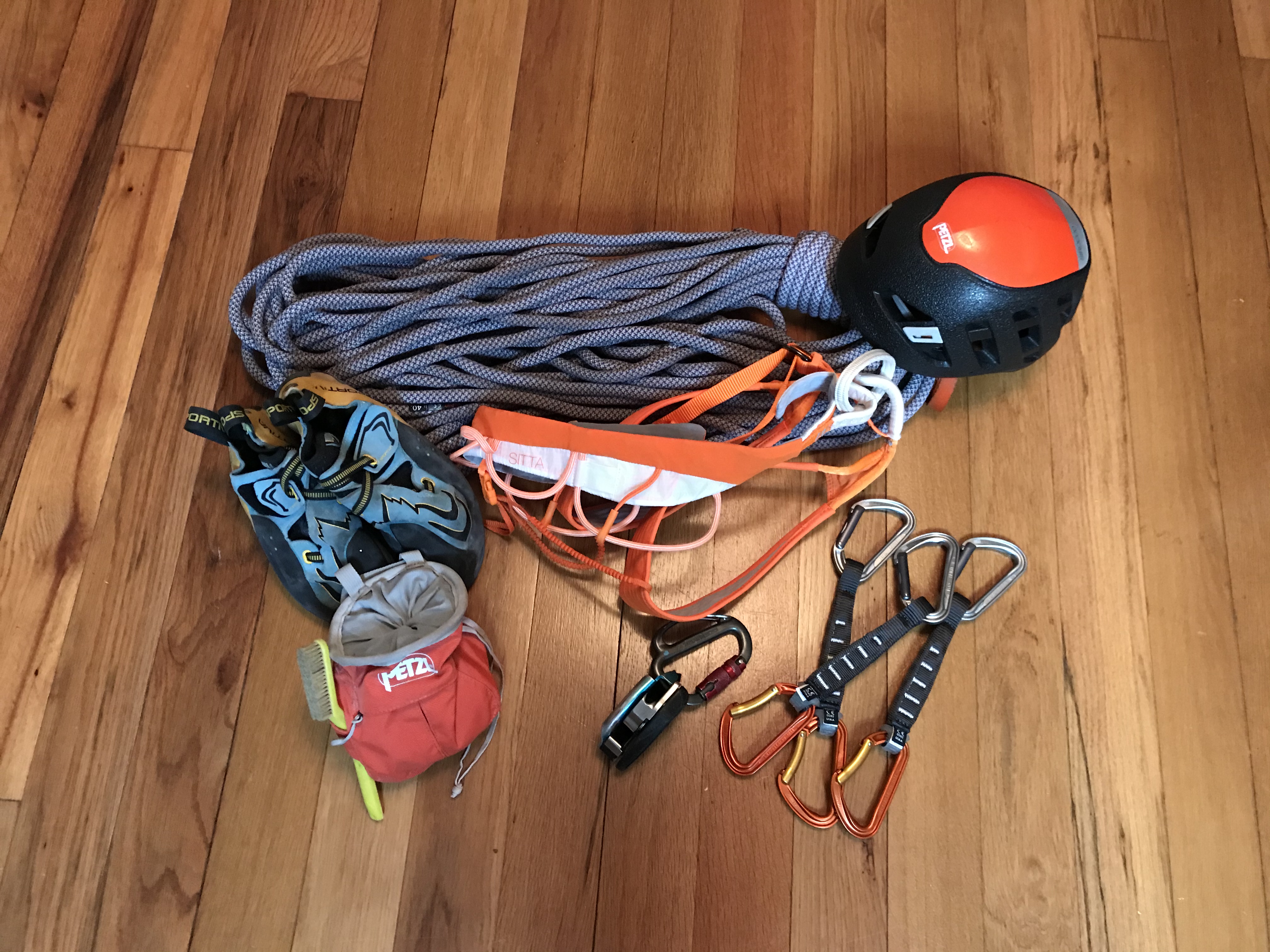
Climbing harness and carabiner gear laid out

Essential Climbing Gear Checklist for Singapore

A practical gear overview for climbers in a tropical climate: shoes, chalk, harnesses, belay devices, and what to consider when shopping at local retailers like Campers Corner and Kinetics Climbing.

Read full article
Climber ascending a rock face outdoors

Why Singapore Has Become a Climbing Hub

Despite lacking natural rock formations, Singapore has built one of the densest networks of indoor climbing facilities in Southeast Asia. The country hosts over 15 commercial gyms, ranging from competition-grade lead walls at Climb Central Kallang to dedicated bouldering spaces like Boulder+ at Aperia Mall.

A combination of year-round warm weather, high disposable income, and a fitness-oriented population has driven consistent growth in climbing participation since 2018. The Singapore Mountaineering Federation (SMF) reported a 40% increase in registered climbers between 2019 and 2024.

Climbing shoes and chalk bag

Gear and Conditions in the Tropics

Climbing in Singapore's humidity means dealing with sweaty palms, faster rubber degradation on shoes, and chalk that clumps within hours. Most experienced local climbers switch to liquid chalk or use a combination of loose and block chalk to manage grip in gyms without strong air conditioning.

Shoe rubber softens faster in high heat, so climbers here tend to replace shoes every 8 to 12 months rather than the 18-month lifespan typical in cooler climates. Resoling through shops like The Resoler SG has become increasingly popular as a cost-saving alternative.

Singapore currently has more than 15 indoor climbing and bouldering gyms. The largest facility, Climb Central at Kallang Wave Mall, features walls reaching 16 metres in height with over 100 routes across all difficulty grades.

15+ Indoor Climbing Gyms
16m Tallest Indoor Wall
40% Membership Growth (2019-2024)
V0-V10+ Bouldering Grade Range

Key Topics Covered

Indoor Gym Comparisons

Side-by-side breakdowns of wall types, pricing structures, operating hours, and crowd levels at Singapore's most frequented climbing gyms.

Bouldering Technique Notes

Footwork drills, body positioning fundamentals, and practical route-reading strategies for V0 through V4 grade problems.

Gear for Tropical Conditions

Reviews of climbing shoes, chalk types, and harness options suited to Singapore's heat and humidity, with notes on local availability.

Safety and Falling Technique

Proper fall mechanics for bouldering, spotter positioning, and crash pad use at outdoor practice spots like Dairy Farm Quarry.

Local Climbing Community

Notes on open-climb sessions, the Singapore Mountaineering Federation, and informal climbing groups that regularly meet at gyms islandwide.

Outdoor Climbing Nearby

Information on accessible outdoor climbing destinations within a short flight, including Krabi (Thailand), Ipoh (Malaysia), and Yangshuo (China).