Essential Climbing Gear Checklist for Singapore
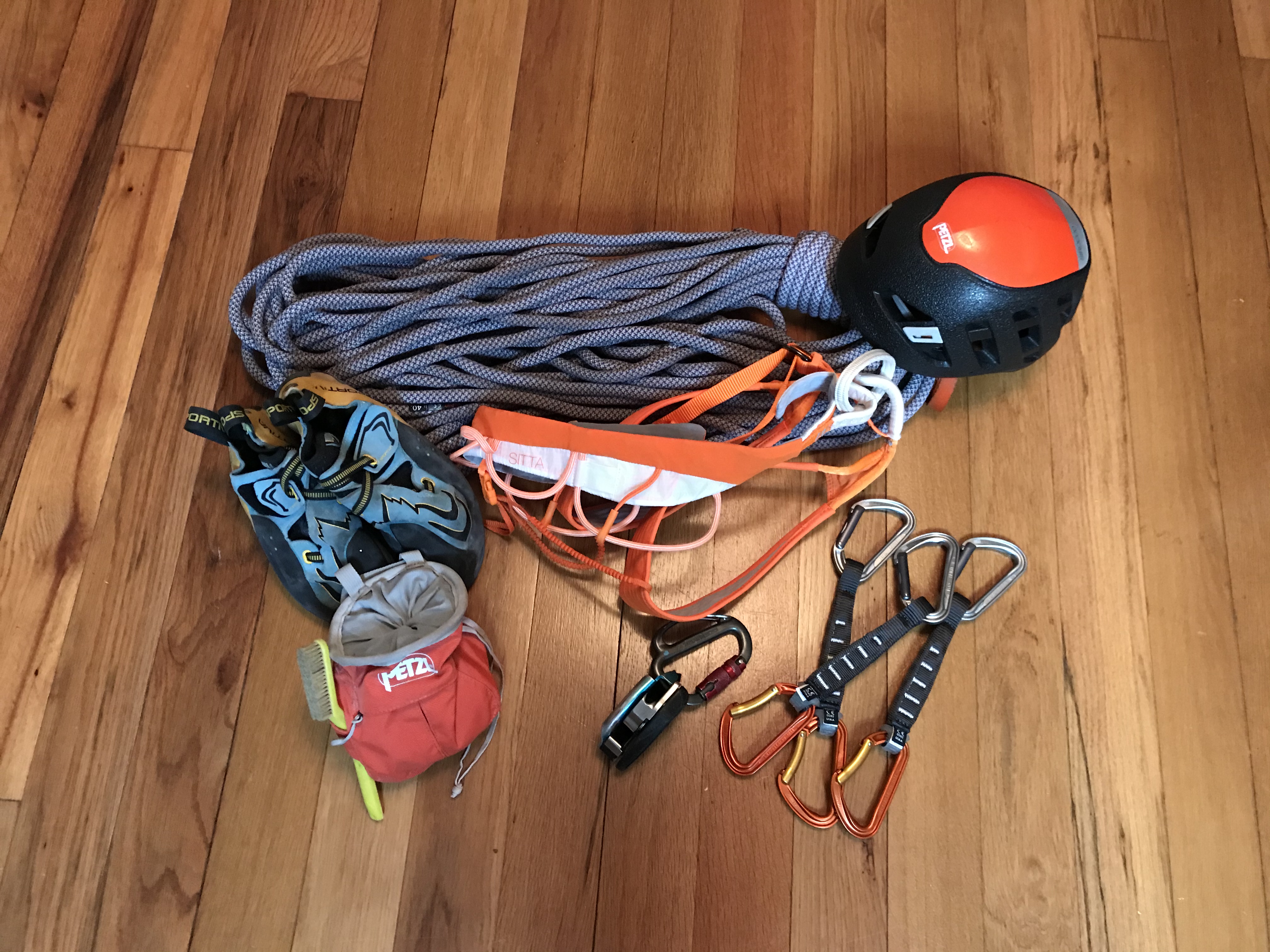
Choosing climbing gear in Singapore requires accounting for two factors that climbers in temperate regions rarely consider: year-round humidity above 80% and ambient temperatures that regularly exceed 32 degrees Celsius. Both conditions affect rubber performance, chalk effectiveness, and the lifespan of textile gear like harnesses and slings.
This checklist covers the core equipment categories, with notes specific to purchasing and maintaining gear in a tropical environment.
Climbing Shoes
Shoes are the single most important investment for any climber. The rubber compound on the sole determines how well a climber's foot adheres to holds, and shoe shape dictates performance on different wall angles.
Shoe Types and When to Use Each
- Flat profile (neutral): Best for beginners and all-day comfort. Models like the La Sportiva Tarantulace and Scarpa Origin provide a relaxed fit with moderate rubber stickiness. Suitable for V0 through V3 problems and general top-rope climbing.
- Moderate downturn: A slightly curved sole that improves performance on overhanging terrain. The La Sportiva Katana and Scarpa Instinct VS fall into this category. Appropriate for climbers consistently working V3-V6 range.
- Aggressive downturn: Highly curved sole designed for steep overhang and roof climbing. The Scarpa Drago and La Sportiva Solution Comp are popular choices among Singapore's competition-level climbers. Not recommended for beginners due to discomfort and limited flat-wall utility.
Tropical Shoe Maintenance
Singapore's heat accelerates rubber compound breakdown. Climbing shoes left in a gym bag or car boot will degrade noticeably within months. The recommended storage approach: air shoes out immediately after each session, stuff newspaper inside to absorb moisture, and store in a cool, dry location away from direct sunlight.
Rubber softening is more pronounced with Vibram XS Grip2 compound (used in many La Sportiva models) compared to Scarpa's proprietary Vibram XS Edge. Climbers who prioritise longevity in tropical conditions often prefer stiffer rubber compounds that resist heat deformation.
Resoling through local specialists like The Resoler SG (operating out of a workshop near Tai Seng) costs between SGD 55 and SGD 80 per pair, roughly one-third the price of replacing shoes entirely. Most shoes can be resoled two to three times before the upper material deteriorates beyond repair.

Chalk and Chalk Bags
Chalk absorbs moisture from the hands, improving grip on holds. In Singapore's humidity, chalk selection matters more than in drier climates because loose chalk absorbs ambient moisture rapidly, becoming clumpy and less effective within minutes of exposure.
Chalk Types for Humid Conditions
- Liquid chalk: Alcohol-based liquid that evaporates and leaves a thin chalk layer on the skin. Widely regarded as the best primary option for humid environments because it bonds to the skin rather than sitting on the surface. Popular brands available in Singapore include Friction Labs, Psychi, and Tokyo Powder.
- Block chalk: Compressed chalk that resists humidity better than loose powder. Crushed on-demand and stored in a sealed bag. A practical middle ground between liquid chalk and loose powder.
- Loose chalk: The traditional option. Effective in air-conditioned gyms but degrades quickly in humid outdoor settings. Best used as a supplement to liquid chalk.
Most Singapore boulderers use a combination: apply liquid chalk as a base layer before the session, then re-chalk with loose or block chalk between attempts. Chalk bags with zippered closures or roll-top designs help keep unused chalk dry between uses.
Harnesses (For Rope Climbing)
Bouldering does not require a harness, but anyone planning to rope-climb at facilities like Climb Central or Oyeyo will need one. Harnesses in the SGD 80 to SGD 150 range from established brands (Black Diamond, Petzl, Edelrid) cover the vast majority of indoor climbing needs.
Harness Selection Criteria
- Gear loops: Indoor climbers rarely need more than two gear loops. Four-loop harnesses are designed for outdoor multi-pitch climbing and add unnecessary bulk indoors.
- Leg loop adjustability: Adjustable leg loops accommodate the shorts-and-leggings variation common in tropical gym settings. Fixed leg loops are lighter but less versatile.
- Padding: Lightly padded harnesses are preferable for indoor climbing. Heavily padded models designed for alpine hanging belays are bulky and unnecessary for gym use.
Textile gear (harnesses, slings, ropes) should be inspected regularly in tropical climates. UV exposure and humidity can weaken nylon and polyester fibres faster than the manufacturer's recommended retirement date. The general guideline from the International Climbing and Mountaineering Federation (UIAA) is to retire harnesses after 3 to 5 years of regular use, but in Singapore's conditions, erring toward the shorter end of that range is prudent.

Belay Devices
Indoor rope climbing in Singapore uses either auto-belay machines (no personal belay device required) or manual belaying with a partner. For manual belaying, two device types dominate:
- Assisted-braking devices: The Petzl GriGri is the standard. It locks automatically when a climber falls, providing an additional safety margin beyond the belayer's grip. Costs approximately SGD 130 to SGD 160.
- Tubular devices: The Black Diamond ATC is a simpler, lighter, and cheaper alternative (SGD 30-50) that requires active braking technique. Many gyms require climbers to demonstrate ATC proficiency before using one on lead routes.
All climbing gyms in Singapore require belayers to pass a competency test or complete a basic belay course before using the lead walls. This typically takes 2 to 3 hours and costs between SGD 40 and SGD 80 depending on the facility.
Where to Buy Climbing Gear in Singapore
Several specialist retailers operate in Singapore:
- Campers Corner (multiple locations including Peninsula Plaza): One of the longest-running outdoor gear stores in Singapore. Stocks a broad range of climbing shoes, harnesses, and accessories from major brands.
- Kinetics Climbing (Tampines): Operates both a climbing gym and a retail store. Useful for trying shoes before purchasing, as the staff allows test climbs in new shoes on their wall.
- Boulder+ retail section (Aperia Mall): A curated selection of climbing shoes and chalk supplies, priced slightly above average but convenient for gym members.
- Decathlon (multiple locations): Stocks entry-level climbing shoes and basic equipment at lower price points. The Simond brand shoes available at Decathlon are a reasonable starting option for beginners who want to spend under SGD 60.
Online purchasing through international retailers like Bergfreunde and Banana Fingers is common among experienced Singapore climbers seeking models or colourways not stocked locally. Import duties for sporting goods under SGD 400 are generally not charged.